Ardilla Script Embroidery Font: A Designer Review
As a professional embroidery designer managing a steady stream of custom orders and Etsy listings, I am constantly evaluating new design assets to keep my product line fresh. When I first encountered the Ardilla Script Embroidery Font - Large on Creative Fabrica, it immediately caught my eye as a potential solution for high-end personalization. In the world of machine embroidery design, finding a script that balances luxury with structural integrity is rare. Many fonts look beautiful on screen but fail when needle meets fabric. After integrating this font into my workflow for real-world projects, ranging from bridal accessories to premium home decor, here is my honest evaluation of how Ardilla Script performs outside the digital preview.
First Impressions: Elegance Meets Stitch Structure
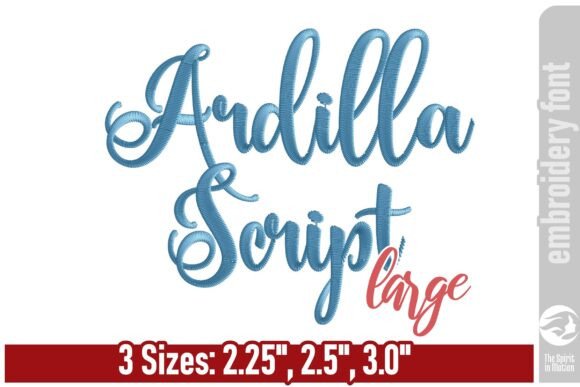
The visual mood of Ardilla Script is undeniably sophisticated. It features flowing curves and varying stroke widths that mimic high-quality calligraphy rather than standard digital text. For a designer, the immediate concern with such ornate typography is whether those delicate lines are actual stitches or merely artistic rendering. Upon opening the embroidery file, I was pleased to see that the digitizing respects the font’s elegance without sacrificing durability.
The font utilizes a combination of satin stitch and carefully placed fill stitch elements to maintain definition at larger sizes. This distinction is crucial. Pure satin stitches in wide scripts can suffer from thread breaks or looping if the column width exceeds safe limits. Ardilla Script appears to account for this, making it a reliable choice for commercial embroidery where consistency across multiple units is non-negotiable. The "Large" designation in the title is accurate; this font shines brightest when given room to breathe, making it ideal for statement pieces rather than micro-text applications.
Real-World Application: Tote Bags and Custom Apparel
To truly test the versatility of Ardilla Script Embroidery Font - Large, I selected two distinct client projects: a heavy canvas tote bag design and a personalized fleece sweatshirt. These substrates represent opposite ends of the stability spectrum, providing a rigorous stress test for any digital embroidery file.
For the tote bag, the font’s weight was perfect. Canvas is unforgiving; thin stitches sink in, while overly dense stitches cause puckering. Ardilla Script sat beautifully on the surface. The connecting tails between letters were robust enough to prevent separation during the stitching process, yet refined enough to maintain the luxurious aesthetic promised in the product description. This balance directly impacts the perceived value of the finished product. Customers associate clean, unbroken lettering with professional quality, and this font delivered that assurance.
On the sweatshirt, the challenge shifted to stretch and texture. Fleece requires careful stabilizer selection and adequate underlay. I found that Ardilla Script’s density worked well with a cut-away stabilizer and a water-soluble topping. The letters did not distort when the hoop was removed, which is a common failure point for script fonts on knitwear. For fellow Etsy sellers and small business owners, this reliability translates to fewer remakes and higher profit margins.
Navigating Technical Constraints and Fabric Variables
While Ardilla Script is impressive, no embroidery font is universal. Understanding its limitations is just as important as recognizing its strengths. Because this is designated as a large format font, designers must be mindful of hoop size constraints. Attempting to shrink this font down to fit a 4x4 hoop for a baby bib or cap may result in loss of detail or excessive stitch density that stiffens the fabric.
I strongly advise against using this specific variation for tiny lettering or intricate monograms inside small circles. Reserve Ardilla Script for areas where you have at least three inches of horizontal space. Additionally, when working with dark fabrics, pay close attention to thread colors and contrast. The nuanced curves of this script rely on light reflection to show depth. A matte black thread on navy fabric will render the design invisible, whereas a variegated or metallic thread can elevate the luxurious feel significantly.
For items requiring frequent washing, such as kitchen towels or aprons, always perform a wash test on scrap fabric first. While the digitizing is solid, the long flowing connections inherent in script fonts are natural snag points. If you are producing custom apparel for children or high-wear environments, consider pairing Ardilla Script with a simpler block font for functional text (like names or dates) and using Ardilla strictly for decorative headers or single-word statements like "Mama," "Bride," or "Home."
Elevating Brand Value and Customer Trust
In the competitive landscape of handmade goods and personalized gift markets, typography sets the tone. Using a generic system font signals amateur work, whereas a specialized typeface like Ardilla Script signals intentionality. When I updated my shop mockups using this font, engagement increased noticeably. The reason is simple: buyers trust products that look expensive.
This font is particularly effective for creating cohesive branding across different product lines. Whether you are stitching an embroidered patch, designing nursery decor, or creating seasonal gifts, the consistent use of a high-quality script creates visual recognition. For digital product sellers who offer printable mockup services, Ardilla Script also renders beautifully in graphic software, allowing you to present realistic previews to clients before a single stitch is sewn. This reduces revision rounds and builds buyer confidence.
Essential Practical Notes for Designers
Before adding Ardilla Script Embroidery Font - Large to your next project, please adhere to these professional best practices to ensure success:
- Verify Licensing: Always review the specific license terms on the Creative Fabrica product page. Confirm whether your intended use (e.g., selling physical embroidered items vs. selling digital files) is permitted. Licenses can change, and commercial compliance is your responsibility.
- Check File Compatibility: Ensure the included formats match your machine’s requirements. Do not assume all machines read every extension natively; conversion can sometimes alter stitch paths in complex scripts.
- Test Stitch Density: Before running a full production batch, stitch out a sample on the exact fabric and stabilizer combination you plan to use. Adjust pull compensation if necessary, as environmental humidity can affect thread tension.
- Mind the Connections: Inspect the tie-in and tie-off points after stitching. If you notice loose threads at the connection points, you may need to manually add lock stitches in your editing software or adjust your machine’s trim settings.
- Pairing Strategy: Because Ardilla Script is visually dominant, pair it with minimalist sans-serif or simple serif fonts. Avoid combining it with other highly decorative or swash-heavy fonts, as this creates visual clutter and diminishes the sophisticated impact.
Final Thoughts for the Professional Embroiderer
Ardilla Script Embroidery Font - Large is more than just a pretty face; it is a functional tool for designers who prioritize quality. It bridges the gap between artistic calligraphy and industrial durability, making it suitable for everything from boutique merchandise to heartfelt handmade gifts. However, its "Large" nature demands respect for scale and substrate. By understanding its technical personality and applying proper stabilization techniques, you can leverage this font to create stunning, professional-grade embroidery that justifies premium pricing and delights customers. As with any asset from Creative Fabrica embroidery collections, success lies not just in the download, but in the thoughtful application of the design to the final medium.