Irish Uncial Embroidery Font: Large Review
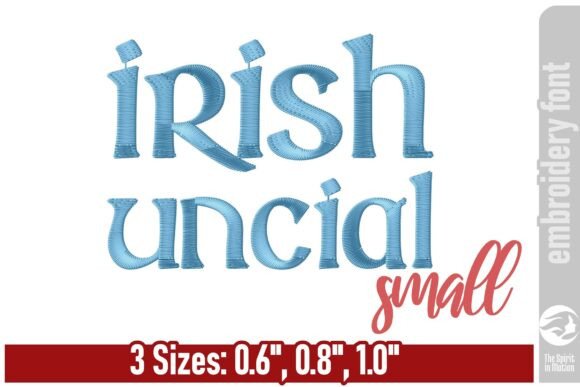
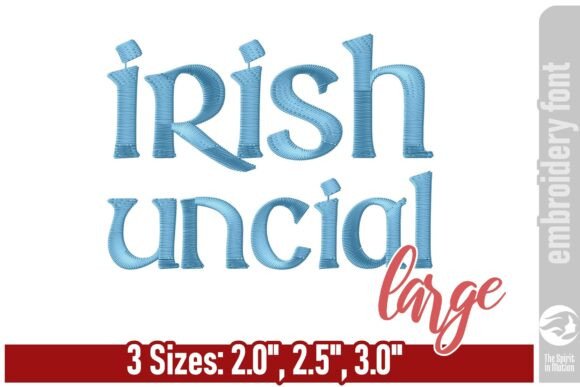
As I prepare my inventory for the upcoming weekend craft fair, my primary focus is always on versatility and visual impact from a distance. When evaluating the Irish Uncial Embroidery Font - Large for my production queue, I am looking at more than just digital aesthetics; I am assessing its viability as a high-turnover craft fair product. This specific typeface, inspired by traditional Celtic manuscripts and medieval lettering, offers a distinct advantage in the handmade market: instant thematic recognition. The bold, rounded strokes provide a timeless and distinguished look that immediately signals heritage and quality to shoppers browsing a crowded booth.
For fellow Etsy sellers and boutique makers, this font represents a strategic asset. It bridges the gap between niche cultural appreciation and broad commercial appeal. However, successful application requires understanding how this large-scale digitization behaves on physical substrates. My review focuses on translating this digital embroidery file into profitable finished goods that withstand both customer scrutiny and batch production demands.
First Impressions and Booth Presence
The immediate impression of the Irish Uncial Embroidery Font - Large is one of premium weight. Unlike delicate script fonts that can get lost on textured fabrics, this design commands attention. It feels bold yet elegant, avoiding the kitschy aesthetic that sometimes plagues holiday-specific merchandise. For a handmade shop owner, this distinction is vital. It allows you to sell items year-round rather than relegating them to March alone.
In a booth display setting, legibility is currency. Customers often view products from three to five feet away before deciding to approach. The substantial stroke width of this font ensures high contrast and readability even on busy fabric textures. When I visualize my table layout, I see this font acting as an anchor piece. Whether used on a hanging banner or a featured tote bag, the lettering possesses enough structural integrity to serve as a focal point without requiring excessive embellishment. This clarity reduces cognitive load for buyers, allowing them to instantly understand the value proposition of the item.
Top Performing Products for Market Sales
Not every substrate supports the weight of medieval-inspired lettering. Based on my experience with similar machine embroidery designs, here is where the Irish Uncial Embroidery Font - Large yields the highest return on investment:
- Tote Bags and Market Shoppers: This is arguably the strongest application. The large scale of the font complements the expansive canvas of a natural cotton tote. A single word like "Market," "Gather," or a family surname stitched in dark green thread creates a sophisticated heirloom feel that justifies a higher price point.
- Kitchen Tea Towels: Linen and flour sack towels are craft fair staples. The bold nature of this font stands up beautifully against the weave of linen. Because the letters are large, they remain legible even when the towel is folded or draped over an oven handle. This makes it ideal for recipe towels or heritage-themed kitchen decor.
- Garden and Workshop Aprons: Heavyweight denim or canvas aprons require robust typography. Delicate fonts disappear on these materials. The Irish Uncial style matches the utilitarian yet artisanal vibe of workwear, making it perfect for personalized gifts for gardeners, bakers, and woodworkers.
- Decorative Pillow Covers: For home decor vendors, this font adds a touch of library-study elegance to throw pillows. It works exceptionally well on velvet or heavy cotton twill, transforming a simple pillow cover into a statement piece.
Production Realities and Technical Considerations
While the aesthetic is winning, practical production requires diligence. As a professional digitizer and embroiderer, I must emphasize that "Large" in the title implies significant stitch counts. Before committing to a batch run of fifty tea towels, you must evaluate the production efficiency.
Stitch Density and Fabric Texture: The bold strokes likely contain high stitch density to achieve that smooth, satin-like finish characteristic of manuscript lettering. On textured towels or nubby linens, this density is necessary to prevent the fabric grain from showing through the thread. However, on lighter weaves, this can lead to puckering. You cannot rely on standard tear-away stabilizer alone. I recommend using a medium-weight cutaway stabilizer for stretchy knits and a heavy wash-away topper for terry cloth or fleece to ensure the stitches sit cleanly on top of the pile.
Hoop Size and Placement: Verify your hoop size limitations before purchasing or stitching. Large uncial letters can be deceptively wide. If you plan to stitch multi-letter words, ensure your machine’s maximum embroidery area accommodates the full phrase without re-hooping. Re-hooping introduces alignment risks that can ruin a commercial embroidery product. For smaller hoops, consider selling monograms or short four-letter words to maximize the font's impact within safe boundaries.
Thread Colors and Contrast: This font relies on shadow and light to mimic the dimensionality of hand-painted manuscripts. Test your thread colors on scrap fabric first. Matte rayon or polyester threads often replicate the ink-on-parchment look better than high-sheen metallics, which can sometimes make the design look too modern or synthetic. Dark greens, deep burgundies, and gold tones generally perform best, but always confirm contrast against your specific base fabric color.
Strategic Selling Points for Digital and Physical Goods
For creative entrepreneurs who also sell digital assets or printable mockups, this font offers dual revenue streams. The distinct shape of the letters photographs exceptionally well. When creating listing images for Etsy, use natural lighting to highlight the texture of the stitches. The boldness of the Irish Uncial Embroidery Font - Large translates clearly in thumbnail images, which is crucial for click-through rates.
If you are producing physical goods, leverage the "timeless" aspect in your marketing copy. Avoid limiting descriptions to St. Patrick's Day. Instead, frame the product as "Celtic Heritage Decor," "Medieval Inspired Home Goods," or "Academic Library Aesthetic." This broadens your potential customer base significantly. During the craft fair, have a sample stitched on a dark background and one on a light background. This demonstrates the font's versatility and helps customers visualize the final product in their own homes.
Essential Pre-Production Checklist
Before loading this embroidery file into your machine for commercial production, complete this verification process to protect your profit margins:
- Test Stitch on Target Material: Never assume settings transfer perfectly between fabrics. Run a test on the exact material you intend to sell.
- Verify Licensing: Confirm the commercial license terms for this specific digital embroidery file. Ensure you are permitted to sell finished physical products and check if there are limits on quantity.
- Check Minimum Size: While this is a "Large" font, determine the smallest functional size. Reducing bold uncial letters too much can cause stitch overlap and thread breaks. Adhere to the digitizer's recommended minimum dimensions.
- Create Real Mockups: Do not rely solely on software renderings. Stitch at least one real sample to photograph. Customers trust actual photos of embroidered patches and goods over digital simulations.
- Inspect Stabilizer Pairing: Document which stabilizer combination works best for each product type. Consistency is key for brand reputation and repeatable batch production.
The Irish Uncial Embroidery Font - Large is a powerful tool for the serious embroidery business owner. Its ability to convey history, warmth, and quality makes it a standout choice for handmade markets. By respecting the technical requirements of dense lettering and applying it to appropriate substrates, you can create a cohesive, high-value product line that resonates with buyers long after the weekend fair ends. Always prioritize testing and quality control to ensure your finished products reflect the distinguished nature of the design itself.