Stitch Pattern: A Designer’s Review for Gifts
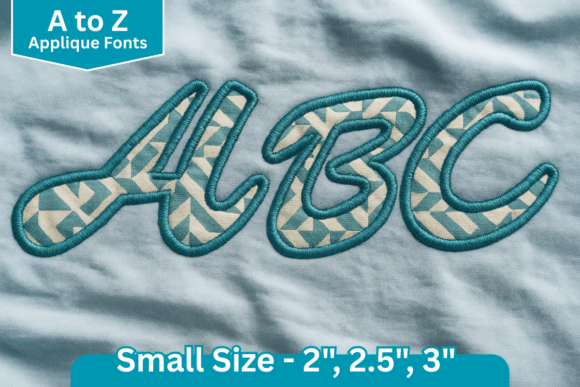
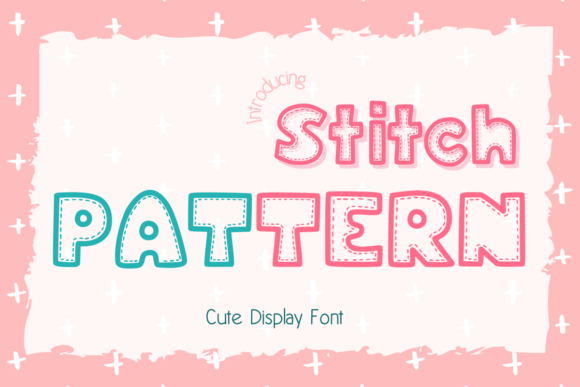
As an embroidery designer who has digitized thousands of personalized gifts, I approach every new typeface with a specific question: will this translate beautifully from screen to fabric? When I first loaded the Stitch Pattern display font into my design software, I wasn't just looking at letters; I was visualizing finished products. This font features transparent letters filled with a pattern reminiscent of vintage sewing patterns, and it immediately struck me as a perfect candidate for sentimental, handmade goods. For Etsy sellers and gift shop owners, finding a typeface that bridges the gap between digital design and tactile nostalgia is rare. Here is my practical review of using Stitch Pattern for real-world custom embroidery orders.
First Impressions: Nostalgia Meets Modern Charm
The mood of Stitch Pattern is undeniably sweet and evocative. Unlike standard block fonts or overly ornate scripts, this display font carries an inherent story. The internal pattern mimics the dashed lines and markings of paper dressmaking patterns, which instantly signals "handmade" to the viewer. For a personalized gift business, this emotional hook is invaluable. It feels less like a computer-generated text and more like a deliberate artistic choice.
When planning inventory for Valentine’s Day cards, Mother’s Day gifts, or wedding invitations, this font offers a romantic yet structured aesthetic. It avoids the cliche of traditional romance while maintaining warmth. As a designer, I appreciate that the transparency allows for creative layering, but for embroidery, it presents a unique opportunity to play with negative space and thread texture. It strikes a balance between playful and elegant, making it versatile enough for a nursery blanket yet sophisticated enough for a bridal keepsake.
Ideal Applications for Personalized Gift Products
In my shop, I categorize fonts by their best use case. Stitch Pattern shines brightest in applications where the recipient values craftsmanship and sentimentality over bold readability. Here is how I plan to utilize this machine embroidery design across different product lines:
- Baby Embroidery: The sewing pattern motif is thematically perfect for baby blankets and nursery decor. It subtly references the tradition of making clothes by hand, adding a layer of heirloom quality to modern baby gifts.
- Wedding Gifts: For pillow covers or tote bags intended as bridesmaid gifts, this font feels bespoke. It pairs beautifully with floral motifs or simple line art, enhancing the perceived value of the handmade product without overwhelming the design.
- Kitchen Textiles: Aprons and tea towels benefit from this font’s domestic association. A name embroidered in Stitch Pattern on an apron tells a story of family recipes and home-cooked meals.
- Seasonal Cards: While primarily a digital asset for printable mockups and cards, the aesthetic translates well to embroidered greeting cards or fabric postcards for special occasions.
For Etsy sellers, listing photos featuring this font can significantly boost buyer engagement. The intricate detail photographs well, stopping the scroll because it looks distinctly different from generic clip-art lettering.
Navigating Technical Challenges in Custom Embroidery
While Stitch Pattern is visually stunning, experienced embroiderers know that display fonts require careful handling. The very details that make it charming are also its potential failure points on fabric. Before accepting a rush order, consider these technical constraints.
Fabric Texture and Stability
This font relies on fine lines and internal cutouts. On textured fabrics like terry cloth towels or chenille, those delicate internal patterns can get lost or distorted. If you are creating an embroidered towel, you must use a water-soluble topping to keep the stitches crisp. For stretchy baby clothes or knit blankets, the open nature of the letters requires exceptional stabilization. Without adequate backing, the fabric may pucker between the stitch columns, ruining the "sewing pattern" illusion.
Size and Readability Limits
Because Stitch Pattern is a display font, it cannot be scaled down indefinitely. In my testing, reducing this style below a certain height causes the internal pattern to merge into a solid mass of thread. Always confirm your minimum hoop size and letter height before promising a customer a small monogram. This is not a font for tiny collar tags or sleeve cuffs; it needs room to breathe. Reserve it for center chest placements, large blanket corners, or tote bag centers where the stitch density can remain balanced.
Color Contrast and Thread Selection
The transparency effect works best when there is high contrast between the thread and the fabric. On white fabric with white thread, the sewing pattern detail disappears. I recommend testing on scrap fabric with varying thread colors. Dark threads on light fabric (or vice versa) define the internal pattern best. For dark fabrics, ensure your digitizing software compensates for the visual weight; sometimes lighter thread colors actually read better on dark backgrounds due to how light reflects off polyester or rayon threads.
Enhancing Perceived Value and Customer Trust
Using a distinctive typeface like Stitch Pattern does more than decorate a product; it builds trust. Customers browsing for custom embroidery are often wary of cheap, automated results. This font signals that a human made thoughtful design choices. When I present a digital embroidery file preview to a client using this font, they perceive it as a premium option compared to standard block lettering.
This directly impacts giftability. A wedding gift featuring Stitch Pattern feels like a curated piece of art rather than a generic commodity. For small business owners, this distinction justifies a higher price point. However, transparency is key. Always show customers a realistic mockup or a stitched sample photo so they understand the texture. Managing expectations regarding the delicate nature of the design prevents returns and ensures the finished product matches their vision.
Essential Pre-Production Checklist for Sellers
Before adding Stitch Pattern to your commercial embroidery lineup or selling it as part of a digital bundle, run through this practical checklist. These steps save time, thread, and reputation.
- Verify Licensing: Confirm the commercial license terms specifically for embroidery use. Some font licenses cover print but restrict digitizing for resale or finished goods.
- Test Stitch Density: Run a sew-out on the exact fabric you intend to sell. Check if the internal pattern holds up after washing. Display fonts often need density adjustments when converted to embroidery files.
- Check Small Details: Inspect the smallest elements of the pattern under magnification. If the needle perforations are too close, the fabric may tear. Adjust stitch length or remove micro-details if necessary.
- Compare Mockups vs. Reality: Create a printable mockup for your listing, but always include a photo of actual stitching. Digital perfection differs from textile reality, and customers appreciate honesty.
- Validate Hoop Compatibility: Ensure the design fits comfortably within your hoop size with adequate margin for clamping. Distorted edges from tight hooping will ruin the geometric precision of this font.
- Assess Washability: If the product requires frequent laundering (like baby bibs or kitchen towels), test the durability. Intricate patterns may need reinforcement stitches to survive repeated cycles.
Stitch Pattern is a beautiful addition to any embroidery designer’s toolkit, provided it is treated with the respect a display font demands. By understanding its strengths in evoking handmade warmth and acknowledging its technical boundaries, you can create personalized gifts that truly resonate. Whether you are crafting a nursery heirloom or a bridal accessory, let the unique character of this font elevate your work from simple customization to meaningful artistry. Always remember to check the specific file details and license terms provided with your purchase to ensure your creative business stays compliant and successful.