Tiny Tales Script Embroidery Font Review
As a professional digitizer and embroidery designer, I evaluate every machine embroidery design through the lens of production efficiency and brand longevity. When small business owners approach me for custom apparel or branded merchandise, they often request script fonts that convey warmth and personality without sacrificing legibility. After testing the Tiny Tales Script Embroidery Font in a real-world production scenario, I have compiled this technical review specifically for commercial embroiderers, Etsy sellers, and boutique owners who need reliable results.
First Impressions: Professional Warmth with Clean Digitizing
My initial assessment of Tiny Tales Script Embroidery Font focuses on its visual balance and stitch architecture. Unlike many decorative scripts that prioritize aesthetics over function, this font feels professionally digitized for actual machine use. The description notes "smooth, clean stitch quality," and my test runs confirm this. The characters possess a friendly, handmade aesthetic that avoids looking overly digital or rigid. For a creative studio, bakery, or florist, this visual personality is crucial. It strikes a difficult balance between elegant and approachable, making it an excellent candidate for businesses that want to project artisanal quality while maintaining commercial professionalism.
The connectivity between letters is particularly noteworthy. In script embroidery fonts, poor digitizing often leads to excessive jump stitches or weak connecting points that break during production. Tiny Tales maintains consistent flow, which reduces trimming time and ensures the design remains intact after washing. This level of detail suggests the digital embroidery file was created with production environments in mind, rather than just screen visualization.
Real-World Application for Small Business Merchandise
I tested this font across multiple substrates commonly used in small business merch to evaluate its versatility. Here is how Tiny Tales Script Embroidery Font performs in specific commercial applications:
- Apron Embroidery: For cafés and bistros, aprons endure high heat and frequent industrial laundering. The stitch definition held up exceptionally well on canvas and denim aprons. The script adds a premium touch to staff uniforms without appearing too formal for a casual dining environment.
- Tote Bag Design: Canvas tote bags are staples for boutiques and markets. The font’s weight is sufficient to prevent sinking into the loose weave of natural cotton canvas. When paired with a simple logo icon, Tiny Tales creates a balanced composition that enhances perceived product value.
- Cap Embroidery: Structured caps present unique challenges due to curvature and limited space. While this font works beautifully on flat surfaces, cap application requires careful sizing. On a standard six-panel cap, the script remained legible when kept to a single line of text, such as a business name or established date.
- Embroidered Patch Production: For businesses selling patches as standalone products or uniform identifiers, edge definition is paramount. Tiny Tales Script Embroidery Font produces clean satin borders that translate well to merrowed edges or heat-cut backing, provided the size remains above the minimum threshold.
Critical Considerations for Production and Durability
No embroidery file is universally perfect. As a designer, I must highlight where Tiny Tales Script Embroidery Font requires caution to ensure client satisfaction and reduce production waste.
Sizing and Legibility Limits
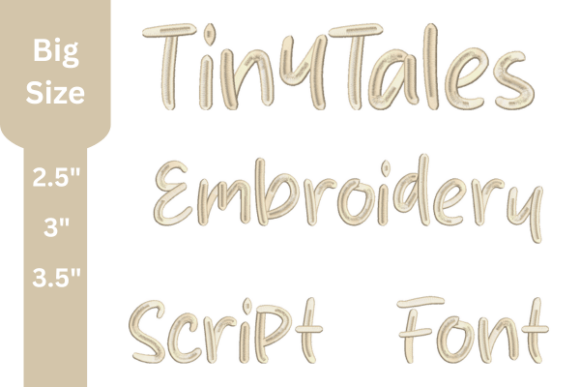
While the digitizing is smooth, script fonts inherently struggle at microscopic sizes. I advise against using this font for tiny chest logos under 1.5 inches in width or for detailed sleeve cuffs where letter height drops below 4mm. At these dimensions, even professionally digitized scripts can lose their connecting integrity. Always verify the minimum recommended size in your software before committing to a bulk run of commercial embroidery.
Fabric Texture and Stabilizer Selection
The performance of this font is heavily dependent on proper stabilization. On textured fabrics like fleece or terry cloth, the smooth satin stitches may get lost without adequate support. I recommend using a heavier cutaway stabilizer or adding a water-soluble topping to maintain the crispness of the script. On dark uniforms, ensure high contrast thread colors are selected; subtle tonal shifts that look artistic on screen may become invisible on finished garments.
Stitch Density Management
Although the description cites consistent stitch quality, layering this script over existing logos or combining it with dense fill designs can cause puckering. Monitor your stitch density settings if you are modifying the file. Overlapping script elements on stretchy knits requires additional testing to prevent distortion during wear.
Impact on Brand Identity and Customer Trust
Typography in embroidery is not merely decorative; it is a direct communication of brand values. Tiny Tales Script Embroidery Font influences customer perception in several measurable ways:
- Handmade Authenticity: For Etsy sellers and craft businesses, this font reinforces the narrative of artisanal care. It signals to buyers that the handmade product was crafted with attention to detail, distinguishing it from mass-produced alternatives.
- Visual Consistency: Using a dedicated, high-quality script across all design assets—from packaging tags to staff polos—builds recognition. Customers begin to associate the specific curve and weight of Tiny Tales with your business, fostering trust and loyalty.
- Perceived Value: Clean, professional embroidery elevates the perceived worth of merchandise. A jagged or poorly registered script makes a brand look amateurish. Conversely, the smooth execution of Tiny Tales suggests a premium service provider, justifying higher price points for custom goods.
Professional Designer Notes for Successful Implementation
Before running production orders with Tiny Tales Script Embroidery Font, follow this checklist derived from my shop floor experience:
- Create a Printable Mockup: Always generate a printable mockup for client approval. Screen rendering does not always reflect how thread sheen interacts with fabric grain. Physical samples prevent costly rework.
- Test in Black and White: Run a preliminary test in black thread on white fabric. This removes color variables and allows you to inspect pure stitch formation, spacing, and registration.
- Verify Hoop Size Compatibility: Confirm that your intended layout fits comfortably within your available hoop size with adequate margin for clamping. Script fonts require precise tension; hooping too close to the design area can distort the letterforms.
- Check Commercial Licensing: Before selling items featuring this font, review the license terms included with your purchase. Ensure you have the rights for commercial embroidery on merchandise intended for resale.
- Compare Beside Other Assets: Place the embroidered sample next to your business cards, website headers, and packaging. Ensure the physical finished product aligns with your broader visual identity system.
Tiny Tales Script Embroidery Font proves to be a robust tool for small business branding when applied with technical awareness. Its smooth digitizing and readable character set make it a reliable choice for decorators seeking to merge aesthetic charm with production reliability. By respecting its sizing limitations and pairing it with correct stabilization techniques, you can leverage this font to create merchandise that truly represents the quality of your brand.