Embroidery Machine Font for Boutique Apparel
As an embroidery designer constantly scouting for typefaces that translate beautifully from screen to fabric, finding the right script is often the most challenging part of developing a new apparel collection. When browsing Creative Fabrica embroidery resources for an upcoming line of boutique sweatshirts and hoodies, the font titled Embroidery Machine immediately caught my attention. Despite its technical name, this Script Handwritten typeface offers a soft, unique touch that feels distinctly human rather than mechanical. For small clothing brands and Etsy sellers looking to elevate their custom apparel, understanding how this specific font performs under the needle is essential before committing it to production.
First Impressions: Visual Personality and Stitching Mood
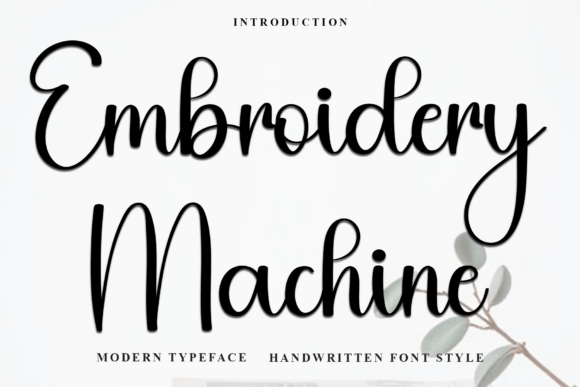
The first thing I evaluate in any machine embroidery design or font is whether the digital rendering accurately predicts the stitched outcome. Embroidery Machine is described as having distinctive strokes that give it special character, and visually, it strikes a balance between playful and premium. It does not look like a standard cursive; instead, it carries a casual elegance that suits the current trend of cozy, oversized aesthetic wear.
For a boutique brand, this visual mood is critical. The font feels meaningful and versatile, avoiding the overly rigid structure of traditional serifs while maintaining enough weight to hold its own on textured fabrics. When planning a collection, I look for fonts that evoke emotion, and Embroidery Machine succeeds here. It suggests a handmade product quality even when produced with commercial embroidery equipment. The soft curves imply comfort, making it an ideal candidate for lifestyle products where the goal is to make the wearer feel relaxed yet stylish.
Application Across Sweatshirts, Hoodies, and Accessories
In my current design workflow, I am preparing a capsule collection featuring neutral sweatshirts, pastel hoodies, and denim accents. Here is how I envision utilizing Embroidery Machine across these different garments:
- Sweatshirt Embroidery: On heavyweight French terry or fleece, thin scripts often get lost in the fabric texture. Embroidery Machine appears to have sufficient stroke width to sit atop the nap of a sweatshirt without disappearing. It would work beautifully as a centered chest placement or a subtle wrist accent.
- Hoodie Design: Hoodies present unique challenges due to seams and bulk. This font’s organic flow allows for flexible placement. I can see it working well arched slightly above the kangaroo pocket or placed vertically along a sleeve cuff for a modern, trendy look.
- Tote Bags and Denim: For non-stretch items like canvas totes or denim jackets, the font’s decorative strength shines. Without the variable of fabric stretch, the distinctive strokes will render crisply, making it perfect for boutique merchandise or market-day products.
- Dark Apparel Contrast: When stitching on black or navy garments, thread color selection becomes paramount. Because Embroidery Machine has a unique character, using a high-contrast thread like cream, gold, or metallic will highlight the soft touches of the letterforms, creating a premium night-out vibe.
Navigating Technical Challenges in Custom Apparel
While Embroidery Machine is aesthetically pleasing, experienced embroiderers know that Script Handwritten fonts require careful handling. As I plan my production run, there are specific technical considerations to keep in mind to ensure professional results.
Stabilizer and Fabric Texture
The soft nature of this font means it likely relies on smooth column stitches. On stretchy knit fabrics like jersey or ribbed cotton, improper stabilization can cause the letters to distort or pucker. For every hoodie design or t-shirt project using this font, I recommend testing with a cut-away stabilizer rather than tear-away to maintain the integrity of those distinctive strokes. Always test on scrap fabric that matches your final garment's weight and weave before hooping expensive inventory.
Size and Legibility
One caution for digital sellers and apparel decorators: verify the minimum size limits. Fonts with soft, unique touches often contain delicate details that may not stitch out clearly at very small scales. If you intend to use Embroidery Machine for tiny chest logos or taglines, inspect the stitch density closely. You may need to adjust the size in your software to prevent thread breaks or illegible text. Confirming the recommended hoop size and minimum height in the Creative Fabrica product details is a necessary step before listing any finished product for sale.
Thread Color and Density
Because this font is designed with a special character, changing thread colors mid-design could disrupt its flow unless the file is specifically digitized for color changes. For single-color applications, which are most common in boutique apparel, ensure your thread tension is balanced. Loose top tension can make soft scripts look messy, while tight tension can pull the fabric. Reviewing stitch density settings in your embroidery file editor can help prevent bulletproof designs on lightweight summer tees or excessive coverage on delicate fabrics.
Elevating Brand Identity and Buyer Trust
Choosing the right typography goes beyond aesthetics; it directly impacts perceived value. In the saturated market of Etsy sellers and small shop products, consistency builds recognition. Using Embroidery Machine as a signature typeface across your collection creates visual cohesion. When customers see that same soft, meaningful script on your social media graphics, printable mockups, and actual packaging, it reinforces brand identity.
Furthermore, high-quality typography signals professionalism. A poorly chosen font that sinks into fleece or distorts on a curve screams "amateur." By selecting a font like Embroidery Machine that is designed with versatility in mind, and by executing it with proper stabilizer and placement techniques, you demonstrate respect for the craft. This attention to detail fosters buyer trust. Customers are more likely to return to a boutique brand where the embroidery looks intentional, durable, and aesthetically pleasing.
Practical Designer Notes for Production
Before adding this font to your next commercial embroidery project, consider this checklist derived from real-world apparel decoration experience:
- Verify Licensing: Always check the specific license terms on Creative Fabrica. Ensure you have the appropriate commercial license for selling physical embroidered goods versus digital files.
- Mockup Realism: When creating listings, use printable mockups that reflect the actual texture of sweatshirt embroidery. Flat vector mockups can be misleading for script fonts; show the dimensionality of the stitches to set accurate customer expectations.
- Placement Testing: Print the design at actual size on paper and tape it to the garment. Check how it interacts with seams, pockets, and necklines. What looks centered on a screen may look off-balance on a curved hoodie surface.
- File Format Compatibility: Confirm that the embroidery file format provided is compatible with your specific machine. While most platforms offer universal formats like PES, DST, or JEF, double-checking prevents production delays.
- Wash Test: For a truly professional assessment, stitch a sample, wash it three times, and inspect the result. Soft scripts can sometimes fray or loosen after laundering if the underlay isn't sufficient. This step is vital for ensuring your handmade product stands the test of time.
Embroidery Machine represents a valuable asset for designers seeking to blend modern trends with classic craftsmanship. Its soft, unique touch offers a refreshing alternative to standard block letters, providing the versatility needed for everything from cozy seasonal outfits to chic boutique merchandise. By approaching this font with technical mindfulness and creative intention, apparel decorators can transform simple garments into meaningful, eye-catching pieces that resonate with customers and define their brand's unique voice.