Simple Embroidery: A Designer’s Stitch Test
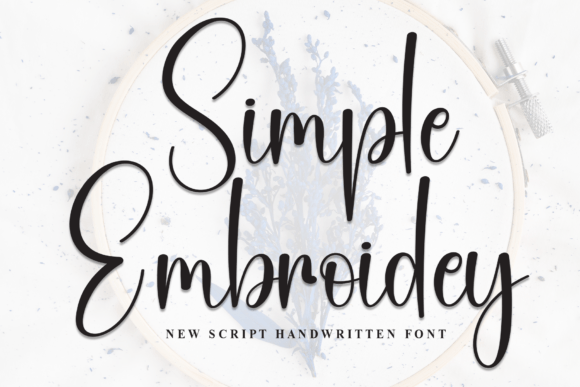
As an embroidery designer who has digitized and tested countless typefaces, I approach every new font with a healthy dose of skepticism. We have all purchased digital assets that look stunning on screen but turn into thread nests or illegible blobs once the needle hits the fabric. When evaluating Simple Embroidery, my primary focus was not just its aesthetic appeal in a software preview, but its structural integrity as a functional tool for real-world production. This script handwritten style promises a handcrafted, stitched look with smooth, flowing letters, but does it actually perform when you are under a deadline for a client order?
My first impression of Simple Embroidery is that it successfully bridges the gap between digital typography and textile art. Unlike standard system fonts that require heavy modification to become embroidery-safe, this design feels native to the medium. The visual personality is undeniably cozy and elegant, avoiding the rigid perfection of computer-generated scripts. For makers and small business owners, this matters because customers associate slight organic imperfections with genuine handmade value. However, beauty must be backed by utility, so I took this font through a practical evaluation process to see where it shines and where it requires caution.
The Tote Bag Test: Real-World Application
To truly understand how Simple Embroidery behaves, I simulated a project that is a staple for Etsy sellers and craft fair vendors: a personalized canvas tote bag. Canvas is a fantastic test substrate because its texture can swallow fine details, and its lack of stretch demands precise tension. I set up a design featuring a three-word phrase using this font, aiming for that effortless, boutique-style branding that attracts buyers.
During the stitching process, the "smooth, flowing" description held up. The transitions between letters maintained a consistent rhythm without excessive jump stitches, which is often the downfall of script fonts in machine embroidery. On the finished product, the legibility was excellent even from a conversational distance. The handcrafted aesthetic elevated what could have been a generic promotional item into something that felt like a premium personalized gift. For those selling custom apparel or home decor, this specific quality helps justify higher price points because the embroidery looks intentional rather than automated.
Fabric Compatibility and Texture Considerations
While Simple Embroidery performed beautifully on medium-weight canvas, my experience suggests you must match the font to your fabric texture carefully. The elegance of this script relies on clean lines. If you are planning baby embroidery on ribbed knit or terry cloth, the intricate curves may get lost in the pile. In these cases, I recommend using a water-soluble topping to keep the stitches sitting on top of the fabric nap.
For stretchy fabrics like jersey knits used in sweatshirt embroidery or t-shirts, stabilization is non-negotiable. Because this font features flowing connections, any fabric distortion during hooping will result in misaligned lettering. I found that using a cut-away stabilizer provided the necessary foundation to maintain the script's integrity. Conversely, on very thin or sheer fabrics, you must check the stitch density. While designed to look hand-stitched, layering too many passes on delicate material can cause puckering or tearing. Always run a test on scrap fabric identical to your final project before committing to a full production run.
Where to Exercise Caution in Production
No single embroidery file is perfect for every scenario, and Simple Embroidery is no exception. As a professional reviewer, I advise against using this font at extremely small sizes. The delicate nature of the script means that reducing it below a certain threshold compromises readability. If you are creating tiny tags, collar labels, or detailed corners on an embroidered patch, consider pairing this script with a simpler block font for the smaller text elements.
Curved surfaces present another challenge. When embroidering caps or curved sleeves, the natural flow of a script can fight against the curvature of the hoop. Distortion is more likely here than on flat items like pillow covers or tea towels. If you must use Simple Embroidery on headwear, ensure your cap frame is secure and consider breaking long phrases into shorter segments to accommodate the curve. Additionally, be mindful of dark fabrics. While the font is elegant, low contrast between thread color and fabric background kills visual impact. This design needs breathing room; avoid placing it near seams, pockets, or heavy garment construction where the texture might interfere with the clean lines of the script.
Commercial Viability for Makers and Sellers
For creative entrepreneurs, the value of a font lies in its versatility across product lines. Simple Embroidery succeeds because it adapts to various niches without losing its identity. It works equally well for holiday embroidery on stockings as it does for wedding gifts on linen napkins. This consistency helps build brand recognition for your shop. When customers see that signature cozy, handcrafted look across your tote bags, nursery decor, and custom apparel, it reinforces your shop's aesthetic.
However, professionalism extends beyond the stitch-out. Before listing any finished product or digital embroidery file for sale, verify your licensing terms. Ensure you have the commercial rights to use Simple Embroidery for both physical goods and potential digital assets. Furthermore, when creating printable mockups for your online listings, make sure the digital representation matches the actual stitch-out. Misleading customers with overly smoothed vector previews when the reality is a textured stitch can damage trust. Authenticity sells, especially in the handmade market.
Essential Technical Notes for Success
To get the most out of Simple Embroidery, treat it with the same technical respect as any complex applique design or fill stitch pattern. Here are my practical recommendations based on testing:
- Contrast Check: Always view your thread colors against the actual fabric in natural light before stitching. The elegance of this script disappears if the tonal value is too similar.
- Stabilizer Selection: Do not skimp here. Use tear-away for stable wovens and cut-away for knits. The flowing nature of the font requires a stable base to prevent registration issues.
- Hoop Size Matters: Use the smallest hoop possible for your design area to maximize tension control. Excessively large hoops for small text increase the risk of fabric shift.
- Density Review: Inspect the stitch density settings in your software. If you are layering this over other design assets or using heavy thread, you may need to adjust compensation to prevent stiffness.
- Wash Testing: If producing items for frequent washing like kitchen towels or baby clothes, wash-test a sample. Ensure the script holds up without fraying at the connection points.
Ultimately, Simple Embroidery is a reliable asset for the serious maker. It offers that elusive combination of digital convenience and analog warmth. By understanding its limitations regarding size, fabric texture, and stabilization, you can leverage this script handwritten font to create products that feel genuinely personal. Whether you are an established Etsy seller expanding your catalog or a hobbyist making a heartfelt gift, this design delivers on its promise of cozy elegance, provided you respect the mechanics of the stitch.